Field notes · Chilika
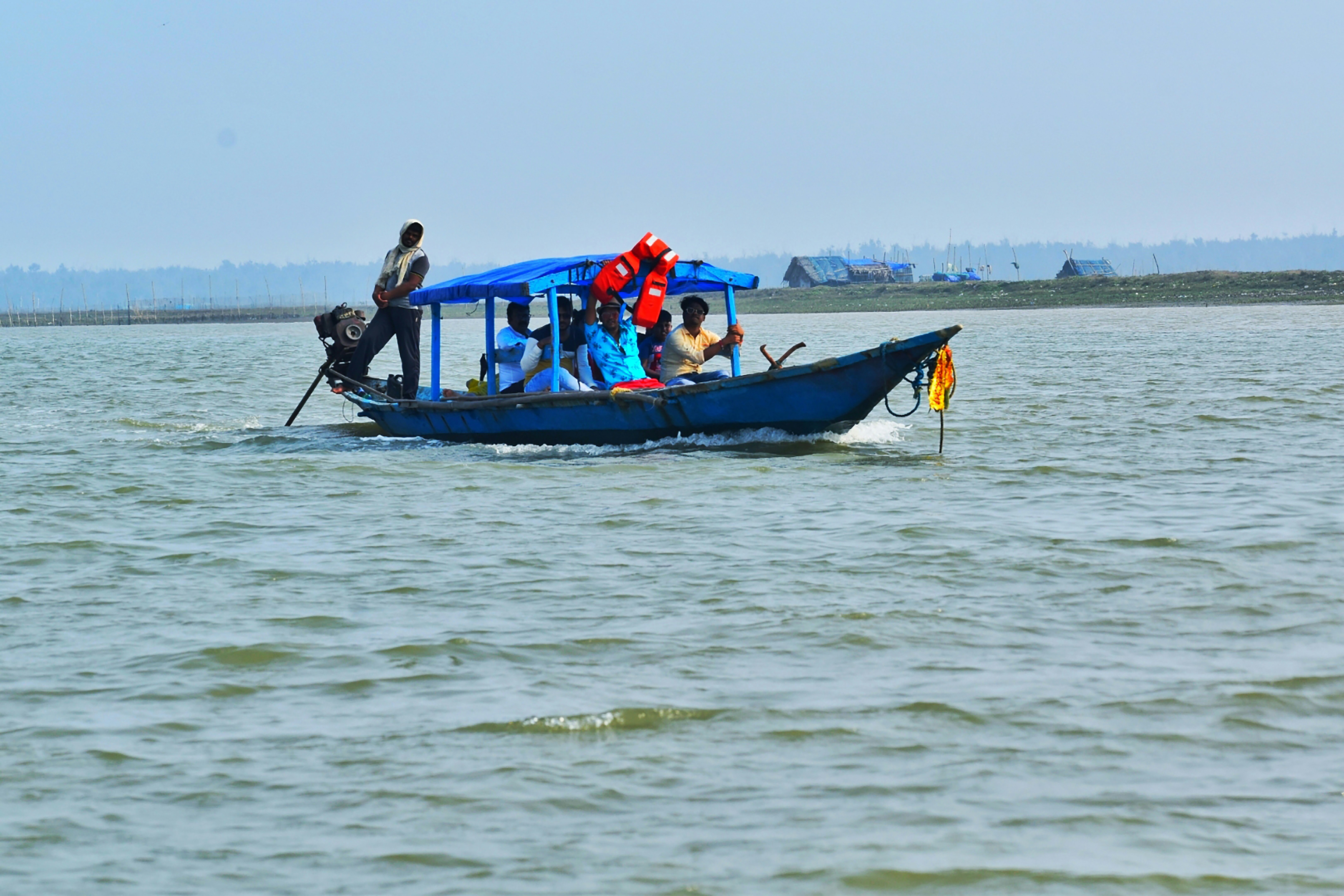
Chilika is Asia's largest brackish-water lagoon, and by 6am its surface is doing three things at once: catching the first light, carrying a hundred small fishing boats out from Satapada and Rambha, and — if you're patient — occasionally breaking with the grey-pink curve of an Irrawaddy dolphin's back.
The dolphins get most of the attention, and fairly so — Chilika holds one of India's largest populations of this rare, snub-nosed species. But spend a morning on the water with local fishermen, as we do with every Chilika group, and you start to notice something the tourist boats rush past: the dolphins and the fishing communities here aren't in competition. They're neighbours who've worked out an understanding.
Older fishermen will tell you their fathers and grandfathers treated dolphin sightings as a genuinely good sign — where dolphins fed, fish were plentiful, and the two species have, in effect, fished the same waters side by side for generations without conflict. It's not folklore dressed up for visitors; marine biologists studying Chilika have noted the same pattern of cooperative feeding zones.
That relationship is now something the state and local cooperatives actively protect — boat speeds are restricted in core dolphin zones, and a share of eco-tourism revenue from permitted boat trips goes back into lagoon conservation and fishing-community livelihoods. It's one of the rarer examples of tourism, ecology and a traditional economy actually reinforcing each other instead of pulling in different directions.
We keep our Chilika mornings unhurried and small-group for this reason. A boat that idles rather than chases gets you closer, more often, than one racing from sighting to sighting — and it's kinder to the lagoon that's kept both the fishermen and the dolphins fed for as long as anyone can remember.
This story is part of our Whispers of Chilika package.